
Summary:
The development of acne is conventionally viewed as the results of four pathogenic features that occur at the pilosebaceous unit: follicular hyperkeratinization, excess sebum production, Cutibacterium acnes colonization and a local immune response.
However, emerging research shows that acne pathogenesis extends beyond these localized mechanisms to include systemic influences that can exacerbate inflammation and lesion formation. Factors such as hormonal fluctuations, stress, diet, and lifestyle behaviors interact through endocrine, metabolic, and neuroimmune pathways to affect skin health and sebum regulation. This broader understanding of acne’s origins supports a more comprehensive management approach—one that pairs traditional therapies with complementary strategies addressing whole-body drivers of inflammation, oxidative stress, and microbiome balance. This article was contributed to by Patricia K. Farris, MD, FAAD.
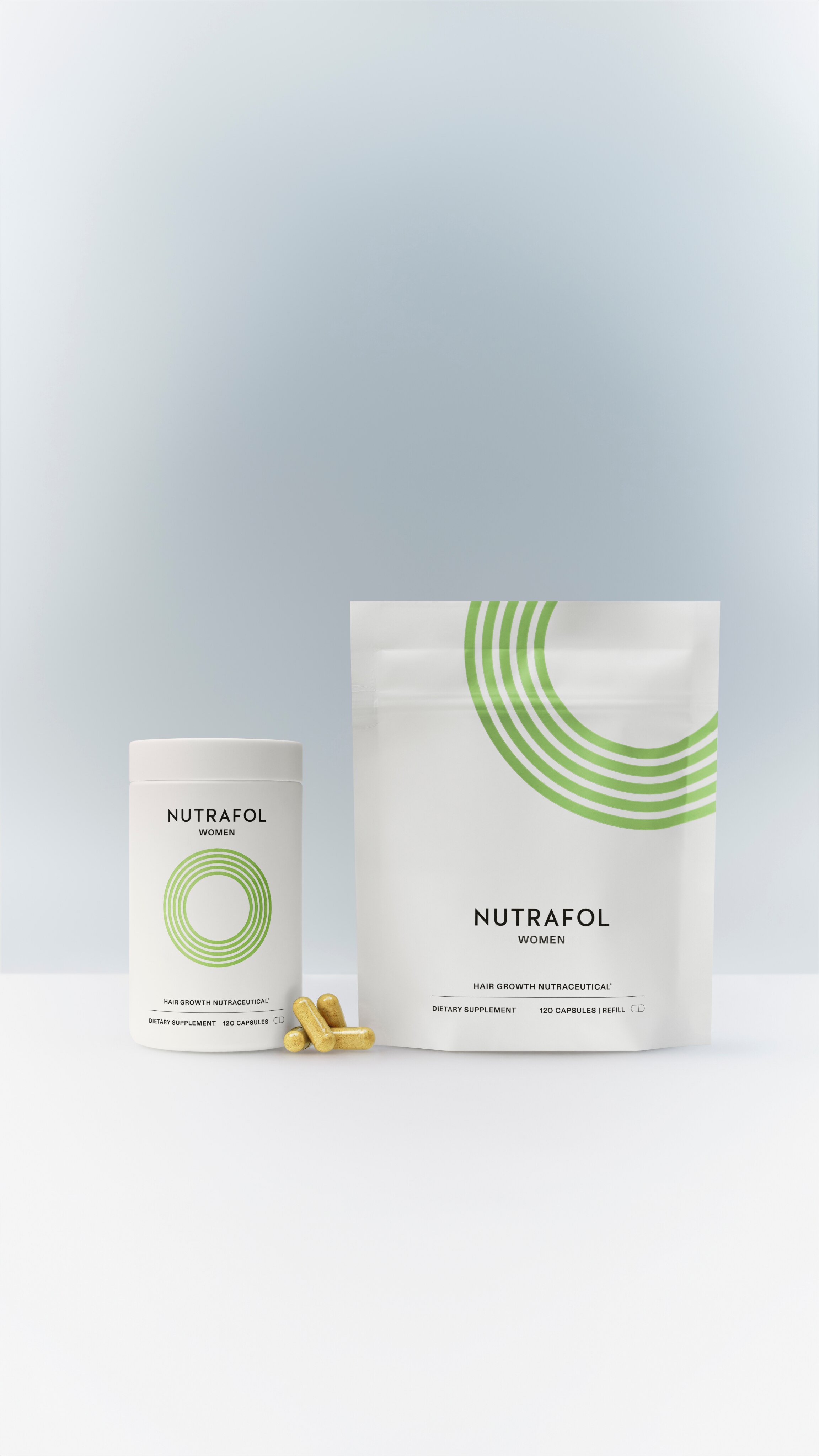
Access Article
More research pages like this

- slide 1
- slide 2
- slide 3
- slide 4
- slide 5
- slide 6
THESE STATEMENTS HAVE NOT BEEN EVALUATED BY THE FOOD AND DRUG ADMINISTRATION. THIS PRODUCT IS NOT INTENDED TO DIAGNOSE, TREAT, CURE OR PREVENT ANY DISEASE.
This information is provided as a medical and scientific educational resource for the use of dieticians and other licensed healthcare professionals. This information is intended for Practitioners to use as the basis for determining whether to recommend these products to their clients. All recommendations regarding protocols, dosing, prescribing and/or use instructions should be tailored to the individual needs of the client considering their medical history and concomitant therapies. This Information is not intended for use by consumers.
What are you looking for?



© 2025 Unilever.
All rights reserved